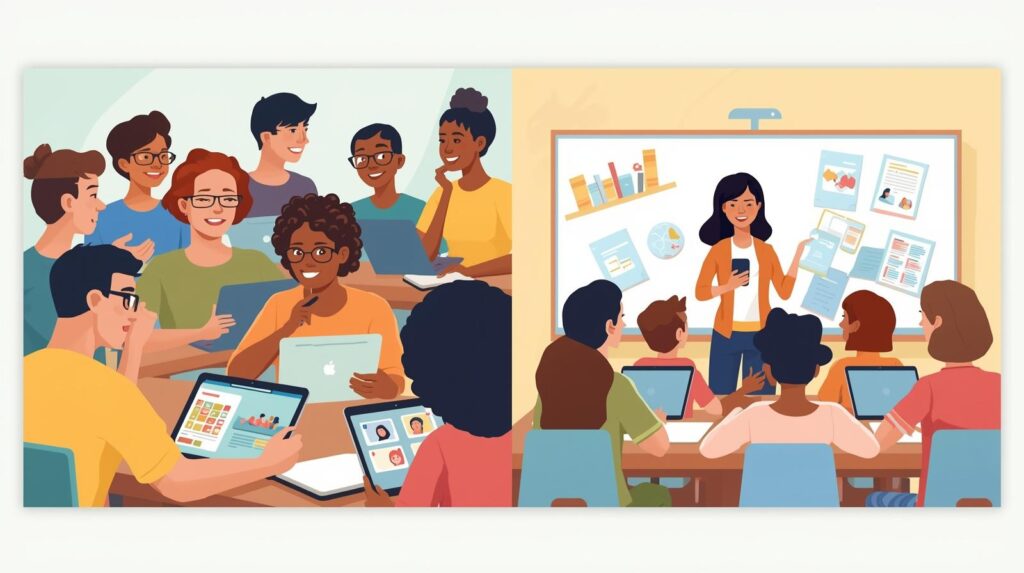

Education is no longer confined to the four walls of a classroom. The rise of technology has given birth to innovative teaching methods, and among them, blended learning has emerged as one of the most effective. Blended learning combines the advantages of digital tools with traditional classroom instruction, creating a flexible and personalized approach that benefits both students and teachers. By merging face-to-face interaction with online resources, blended learning bridges the gap between old and new systems of education.
The Concept of Blended Learning
Blended learning is more than just integrating digital tools into teaching; it is a structured approach that redefines how education is delivered. In this model, students learn through a mix of classroom instruction, online platforms, and independent study. Teachers continue to play a central role, guiding discussions and ensuring that students understand key concepts, while digital tools provide additional support through interactive lessons, videos, and practice tests.
Key Benefits of Blended Learning
Blended learning offers a variety of advantages that go beyond traditional teaching methods:
- Personalized learning: Students can learn at their own pace using online modules, revisiting concepts they find difficult.
- Flexibility: Students can access resources anytime and anywhere, giving them more control over their studies.
- Engagement: Digital tools like simulations, quizzes, and gamified lessons make learning interactive and enjoyable.
- Better teacher support: Teachers can use data from online platforms to identify areas where students need extra help.
Examples of Digital Tools in Blended Learning
Digital platforms play a crucial role in supporting blended learning environments. Tools like Google Classroom, Khan Academy, and interactive apps provide resources for revision, assessments, and collaboration. Virtual labs, e-books, and video tutorials complement textbooks, helping students grasp complex topics more easily. These tools not only enhance learning but also prepare students for the digital demands of future careers.
Challenges of Implementing Blended Learning
Despite its potential, blended learning also comes with challenges:
- Unequal access to digital devices and internet connectivity.
- The need for teachers to be trained in using new technologies.
- Risk of distraction if students misuse digital platforms.
- Balancing screen time with face-to-face interaction.
Why Blended Learning Works Best
Blended learning is effective because it combines the strengths of both methods. Traditional classrooms provide social interaction, immediate feedback, and structured discipline, while digital tools add flexibility, creativity, and personalized content. Together, they ensure that students not only learn but also develop skills like problem-solving, critical thinking, and self-motivation.
The Future of Blended Learning
As global education continues to evolve, blended learning will play an even more central role. With the advancement of Artificial Intelligence and data-driven tools, personalized education will become more refined. Schools and universities will increasingly adopt hybrid systems to prepare students for future challenges in a digital-first world.
Conclusion
Blended learning is not about replacing teachers or traditional methods but about enhancing them with digital innovation. By combining the best of both worlds, this model creates an environment where students can thrive academically and personally. When implemented effectively, blended learning ensures better outcomes, greater inclusivity, and a more engaging educational journey.